
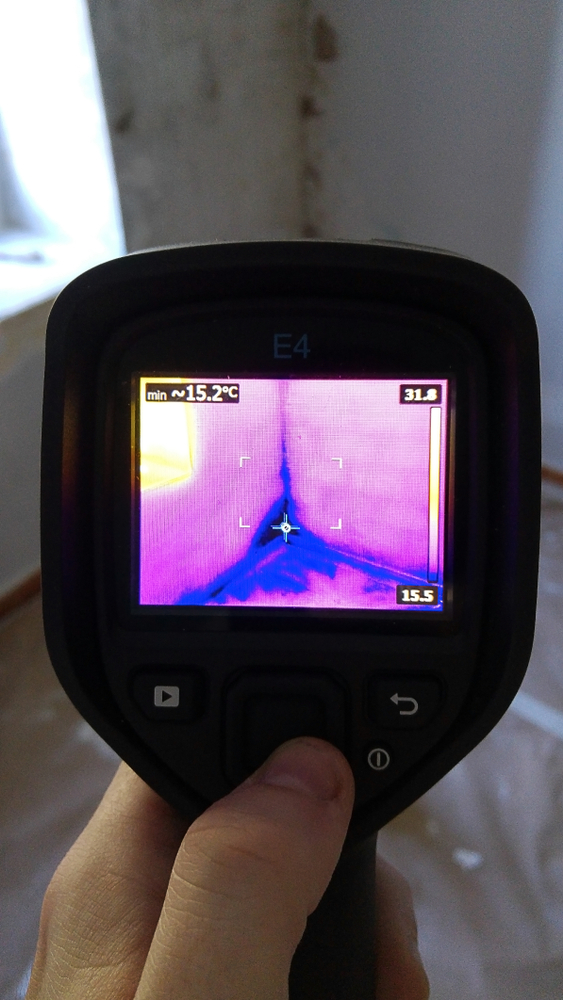
Thermal cameras have changed how plumbers find hidden leaks. Instead of cutting into walls to track down a mystery drip, we can now scan your home and help pinpoint the source of the problem. That is the real value of FLIR-based leak detection, and it is why more homeowners in the area are turning to non-invasive leak detection in Woodstock, GA when they suspect something is wrong behind their walls.
What Thermal Imaging Detects
FLIR cameras read heat signatures, not visible moisture. Water that has seeped into a wall cavity causes the surrounding material to cool unevenly. That temperature difference shows up on the camera as a distinct color contrast, helping indicate the likely location and approximate spread of a potential leak without any demolition. According to the EPA, household leaks waste nearly 1 trillion gallons of water annually in the U.S., and many of those leaks go undetected for months simply because they are hidden.
Thermal imaging typically reveals:
- Pipe leaks behind drywall or under flooring
- Moisture accumulation around HVAC lines
- Conditions consistent with moisture buildup in wall cavities (based on surface temperature differences)
- Temperature anomalies in flooring that may be consistent with a slab leak
- Slow drips near supply line connections
How the Scan Works
We use FLIR thermal cameras alongside tools like the Jacob’s Sniffer 430, Fisher leak detectors, and LeakTronics equipment to cross-verify findings. A thermal image shows us where to look; the secondary tools confirm what is there. This layered approach cuts down on false reads and gives us a clearer picture before we recommend any repair. Our leak detection services are designed to give you answers, not estimates based on guesswork.
Why “No Visible Damage” Does Not Mean No Leak
Many homeowners assume a leak will show itself through a stain or soft spot. In reality, water migrates. A pinhole drip in a supply line can travel along a joist for several feet before it ever shows on the surface. By then, the original source is far from the visible damage. Thermal imaging helps trace temperature anomalies back toward the likely source, which can then be confirmed with additional detection methods before repair.
Frequently Asked Questions About Thermal Imaging
Does thermal imaging work through tile or hardwood?
Yes. Heat transfers through most finished flooring materials, making slab and sub-floor leaks detectable without removal.
Can humidity in the air throw off the reading?
High ambient humidity can affect surface readings. That is why we use secondary detection tools to confirm any thermal anomaly.
How long does a thermal scan take?
Most residential scans take one to two hours depending on home size.
Get a Straight Answer About What Is Behind Your Walls
When plumbing issues stay hidden, getting reliable information quickly matters. Locklear Plumbing is family-owned and operated and serves residential and commercial clients with respectful, prompt, and professional technicians. We are licensed, bonded, and insured, offer convenient same-day appointments and emergency service options, and provide honest recommendations with flat rate pricing. Backed by an A+ BBB rating, our knowledgeable team uses advanced technology and top-quality parts to investigate hidden leaks with care.
Contact Locklear Plumbing today to schedule an inspection and learn what may be happening behind your walls.
Our Services

Family Owned
and Operated

Licensed, Bonded
and Insured

Respectful
Technicians

Prompt and
Professional