
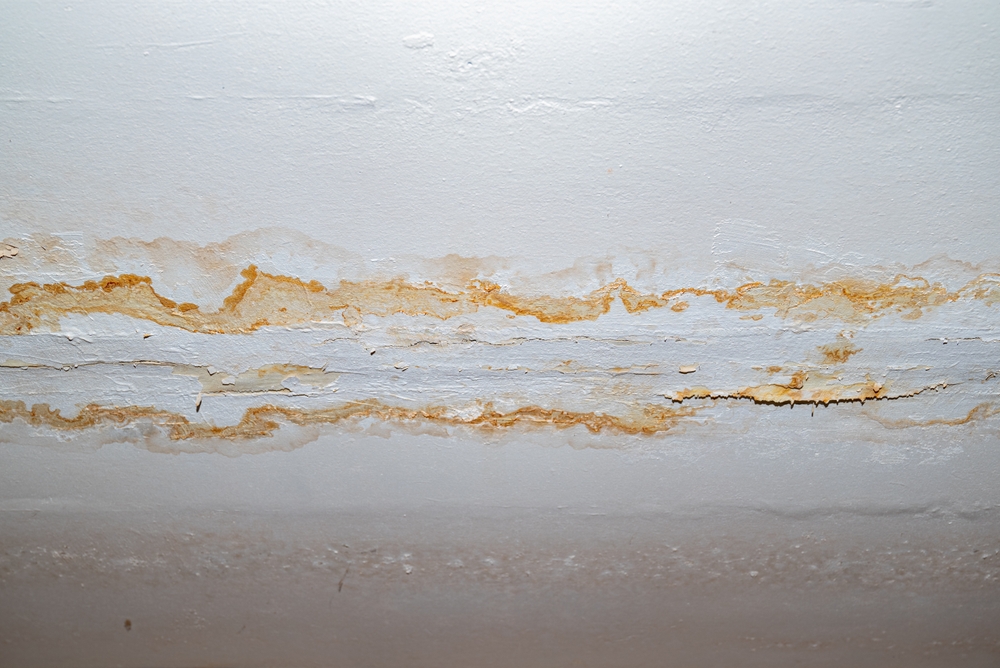
A slab leak can quietly cause serious structural damage long before you notice anything wrong. That’s because the pipes running beneath your concrete foundation are completely out of sight. By the time water shows up on your floor or your water bill spikes without explanation, the leak has often been active for weeks. If you’re dealing with unexplained wet spots, warm patches on your floor, or the sound of running water when nothing is on, non-invasive leak detection in Calhoun, GA is worth scheduling sooner rather than later.
Why Slab Leaks Are So Difficult to Spot
The pipes buried beneath a slab are insulated by several inches of concrete and soil, which means standard visual checks won’t tell you anything. On top of that, water doesn’t always travel in a straight line. It migrates through cracks in the slab, sometimes surfacing feet away from the actual leak source.
Common signs that a slab leak may be present:
- A sudden, unexplained increase in your water bill
- Warm or hot spots on tile or hardwood floors
- The sound of water running with all fixtures off
- Cracks forming in your walls or flooring
- Mold or mildew smell without a visible source
According to the EPA’s WaterSense program, household leaks can waste nearly 10,000 gallons of water per year. Slab leaks are among the harder-to-find culprits.
What Professional Leak Detection Actually Looks Like
This is where technology does the heavy lifting. At Locklear Plumbing, our leak detection services use a combination of professional-grade tools to pinpoint leaks without tearing up your floor unnecessarily.
Here’s what our slab leak detection process typically involves:
- FLIR thermal cameras to detect temperature changes in the slab that indicate where hot water lines may be leaking
- Jacob’s Sniffer 430 to detect gas or chemical tracers introduced into the pipe system
- Fisher leak detectors for acoustic ground microphone readings that pick up the sound of escaping water underground
- LeakTronics equipment for electronic listening and pipe tracing
These tools work together to triangulate the exact leak location. The goal is to give your technician a precise target before any concrete is touched, which limits how much disruption your home goes through.
Frequently Asked Questions
What causes slab leaks in the first place?
Common causes include pipe corrosion, poor original installation, shifting soil, and water pressure issues. The American Society of Civil Engineers has documented how soil movement in certain regions accelerates underground pipe wear.
Can a slab leak affect my home’s foundation permanently?
Yes. Prolonged water exposure beneath a slab softens the soil underneath, which can lead to foundation settling or shifting. The longer a leak goes unaddressed, the greater the risk of structural movement that no plumber can reverse.
Let’s Find That Leak Before It Finds Your Foundation
When you need answers fast and want a team that won’t guess at your problem, Locklear Plumbing brings licensed, bonded, and insured technicians to your door with same-day service options available. We offer flat rate pricing, honest recommendations, and the kind of professional service backed by an A+ BBB rating. Financing options are also available. Call us to schedule your inspection today.

Our Services

Family Owned
and Operated

Licensed, Bonded
and Insured

Respectful
Technicians

Prompt and
Professional