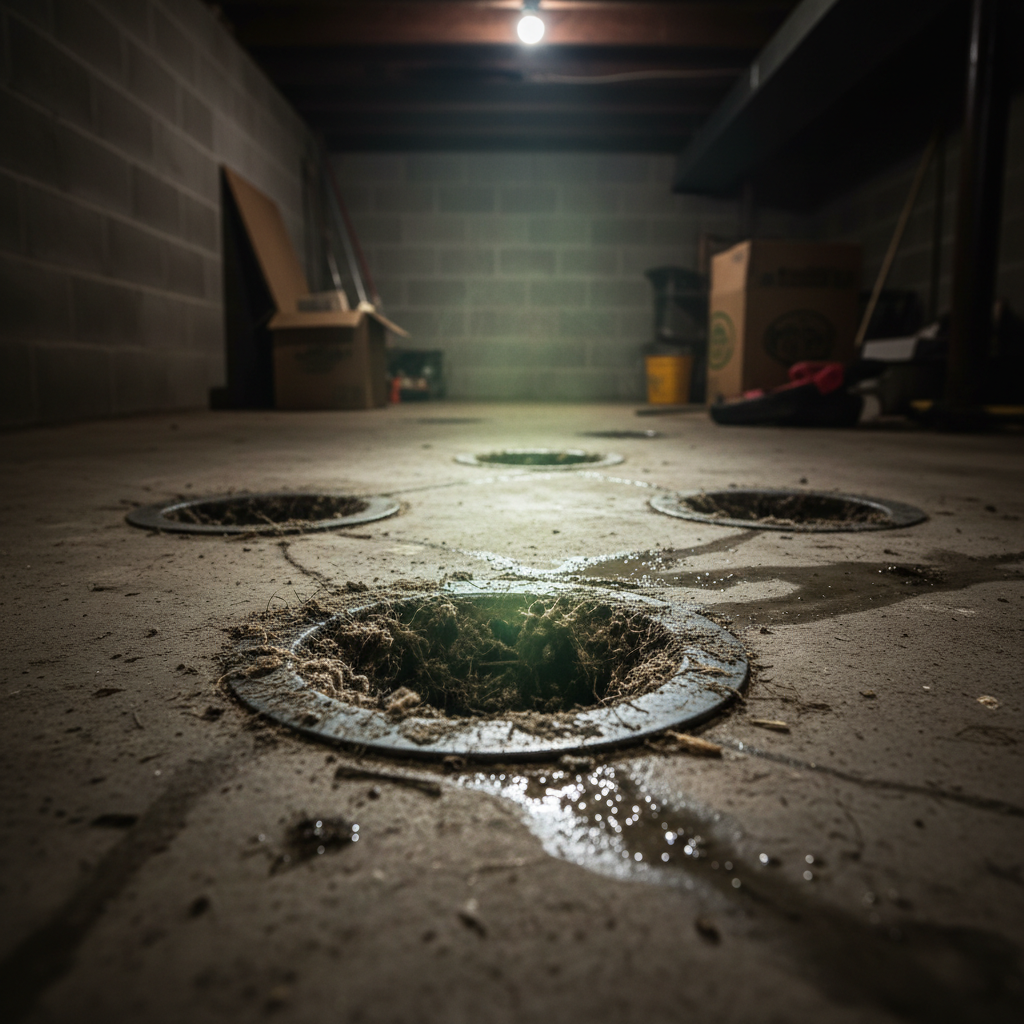
Floor drains rarely get much attention until something smells bad or water starts backing up. Because they’re often tucked away in basements, laundry rooms, garages, or utility spaces, it’s easy to forget they’re part of your home’s plumbing system. We frequently find that neglected floor drains create problems long before homeowners notice them.
If you’re looking into drain cleaning in Woodstock, GA, it is worth checking the drains you use the least because they can become hidden sources of unpleasant odors and unwanted pests.
An Unused Drain Can Lose Its Protective Barrier
An unused drain can lose its protective barrier. Floor drains rely on a water-filled trap to block sewer gases and pests. When the drain sits unused for long periods, that protection can disappear.
Every floor drain contains a P-trap that holds water to create a seal between your home and the sewer system. When the drain goes unused, the water slowly evaporates. Once the trap dries out, sewer gases and insects can enter the home through the open drain. The International Association of Plumbing and Mechanical Officials recognizes trap seals as an important part of protecting indoor air quality and preventing sewer gas from entering occupied spaces.
Slow Drainage Often Starts Below the Surface
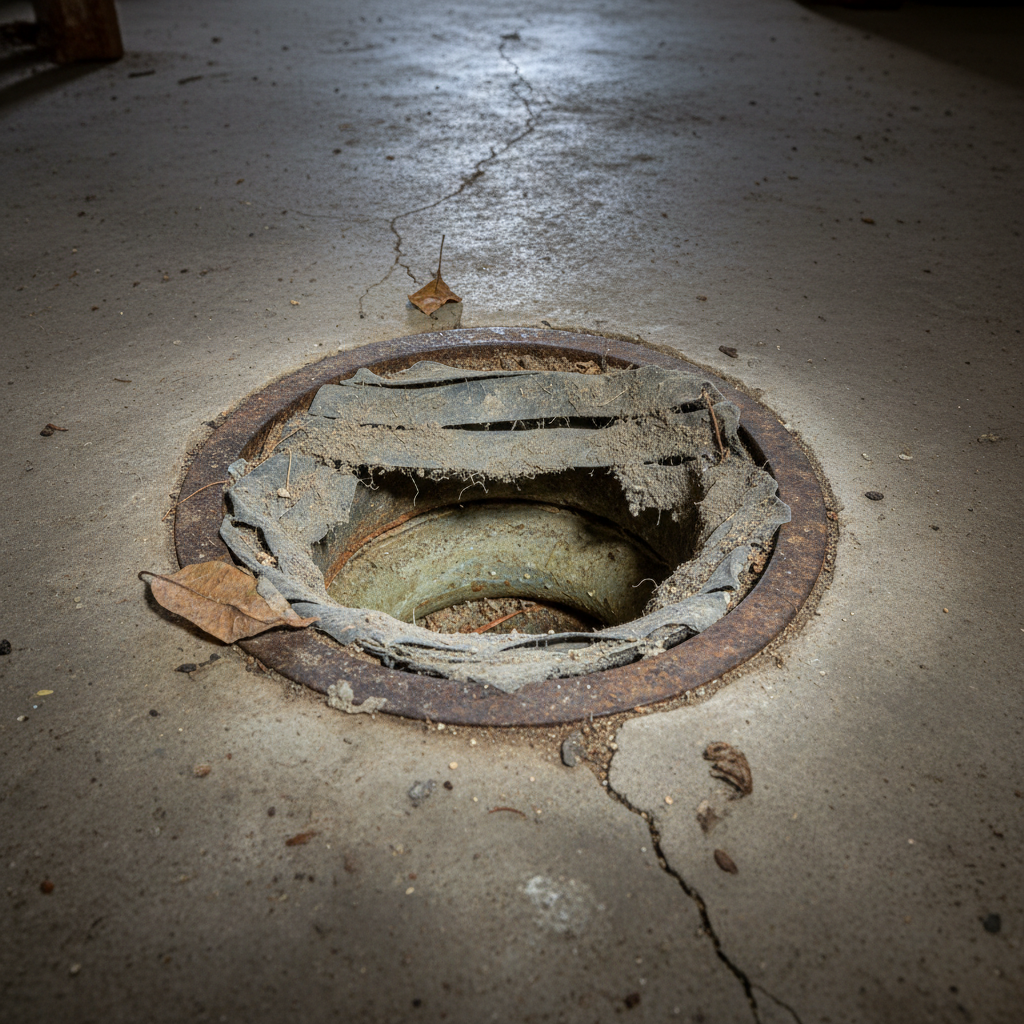
Dirt, lint, soap residue, and debris gradually collect inside floor drains. These materials can restrict water flow even if the drain is rarely used.
A clogged drain does not always happen because of heavy use. Floor drains often collect dust, pet hair, leaves, and other debris that settle over time. Since water rarely flows through these drains, those materials can remain in place and gradually build up until drainage becomes restricted.
A Simple Routine Helps Keep Floor Drains Working
Regular attention keeps floor drains functional and helps maintain the trap seal that blocks sewer gases and pests.
One of the easiest ways to maintain a floor drain is by pouring a bucket of clean water into it every few weeks to refill the trap. Cleaning away visible debris around the drain cover also helps prevent buildup. When blockages develop deeper inside the pipe, professional drain cleaning services provide a more thorough solution than household products that may not reach the source of the problem.
Professional Cleaning Goes Beyond Surface Debris
Some drain problems require specialized equipment to remove hidden buildup and restore proper drainage throughout the pipe.
If water drains slowly or unpleasant odors continue after refilling the trap, a more stubborn blockage may be present. Professional drain cleaners can inspect the drain and determine whether drain snaking or another cleaning method is appropriate to remove accumulated debris without damaging the pipe.
Frequently Asked Questions
How often should I add water to a floor drain?
For drains that are rarely used, adding water about once a month helps maintain the trap seal and reduce the chance of sewer gases entering the home.
Why does my basement smell like sewage?
A dry floor drain trap is one possible cause, although damaged plumbing vents or sewer line issues may also contribute to the odor.
Can I clean a floor drain myself?
You can remove surface debris and refill the trap with water. If odors or slow drainage continue, a professional inspection is recommended.
Are floor drains supposed to hold water?
Yes. The water inside the trap creates a barrier that helps keep sewer gases and pests from entering your home.
Don’t let an overlooked floor drain become a bigger headache. Locklear Plumbing is the drain cleaning company that offers friendly, knowledgeable technicians, convenient same-day service options, and top-quality products, parts, and services backed by our A+ BBB rating. We also offer financing options to help make needed plumbing work more manageable. Contact us today!
Our Services

Family Owned
and Operated

Licensed, Bonded
and Insured

Respectful
Technicians

Prompt and
Professional