
At Locklear Plumbing, we get calls for both types of leaks nearly every day, and knowing which one you’re dealing with changes how fast you need to act. Calhoun’s clay-heavy soil and slab foundations make both kinds tricky to catch early, which is why non-invasive leak detection in Calhoun, GA has become one of our most requested services.
What a Slow Leak Looks Like
A slow leak trickles for weeks or months before anyone notices. It shows up on your water bill first, often 10 to 20 percent above normal usage with no new appliances or guests to explain it. From there, other signs follow:
- A musty smell in bathrooms or storage areas
- Warm or discolored patches on flooring
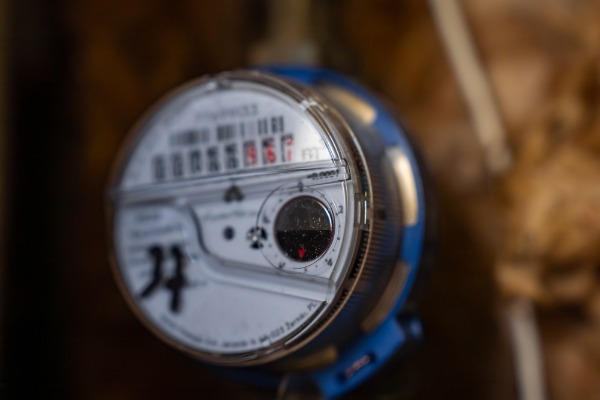
- A water meter that spins with every fixture off
Water leak detection can catch these signs early, often before any real damage sets in, since the leak itself may be too small or hidden to see with the eye.
What an Emergency Leak Looks Like
An emergency leak skips the slow buildup entirely. Water moves fast, pressure drops right away, and the signs are impossible to miss:
- Water spraying or shooting from a pipe
- Fast pooling near a water heater or utility unit
- A ceiling that sags or drips
- Sewage smell paired with backed-up drains
If you notice any of these, shut off your main water valve and call for help immediately. There is no bill to check first and no waiting period to observe.
What Happens If You Wait?
A slow leak left alone for months often leads to mold, wood rot, or a shifting foundation, according to the CDC. Corroded galvanized pipes, common in older homes, can also fail suddenly after years of slow leaking, turning a minor drip into a major break without warning (source: EPA). An emergency leak left alone for even an hour can mean warped flooring and ruined drywall. Neither one gets cheaper the longer it runs.
How We Find What You Can’t See
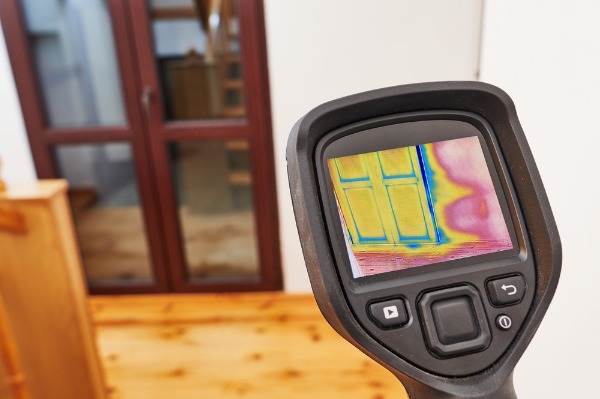
Our leak detection services are carried out using FLIR thermal imaging cameras to spot temperature changes behind walls, a SNIFFER 430 tracer gas leak detector to trace gas through pipe systems, and Fisher brand and LeakTronics equipment to pinpoint depth and direction underground. This means we find the source with little to no cutting into drywall or flooring, whether the leak is a slow drip or a fast-moving break.
Common Questions About Slow and Emergency Leaks
Can a slow leak turn into an emergency?
Yes, especially in older homes with aging or corroded pipes.
Should I turn off my water for a slow leak?
It’s not always necessary, but shutting off the valve near the fixture can limit damage until a technician arrives.
Will you need to cut into my walls or floors to find a leak?
Rarely. Our equipment lets us pinpoint most leaks without cutting, though some repairs afterward may require limited access to the pipe itself.
What causes pipes to leak in the first place?
Common causes include pipe corrosion, shifting soil, high water pressure, tree root intrusion, and normal wear on old fittings or joints.
Call Locklear Plumbing Today
Locklear Plumbing is family-owned and operated, licensed, bonded, and insured, with an A+ BBB rating built on honest recommendations rather than upsells. Our respectful, prompt, and professional technicians arrive ready to explain what they find, with flat rate pricing and financing options for larger repairs. Whether your leak is a quiet drip or a fast-moving flood, call Locklear Plumbing and let our friendly, knowledgeable team find the source before it costs you more.
Our Services

Family Owned
and Operated

Licensed, Bonded
and Insured

Respectful
Technicians

Prompt and
Professional